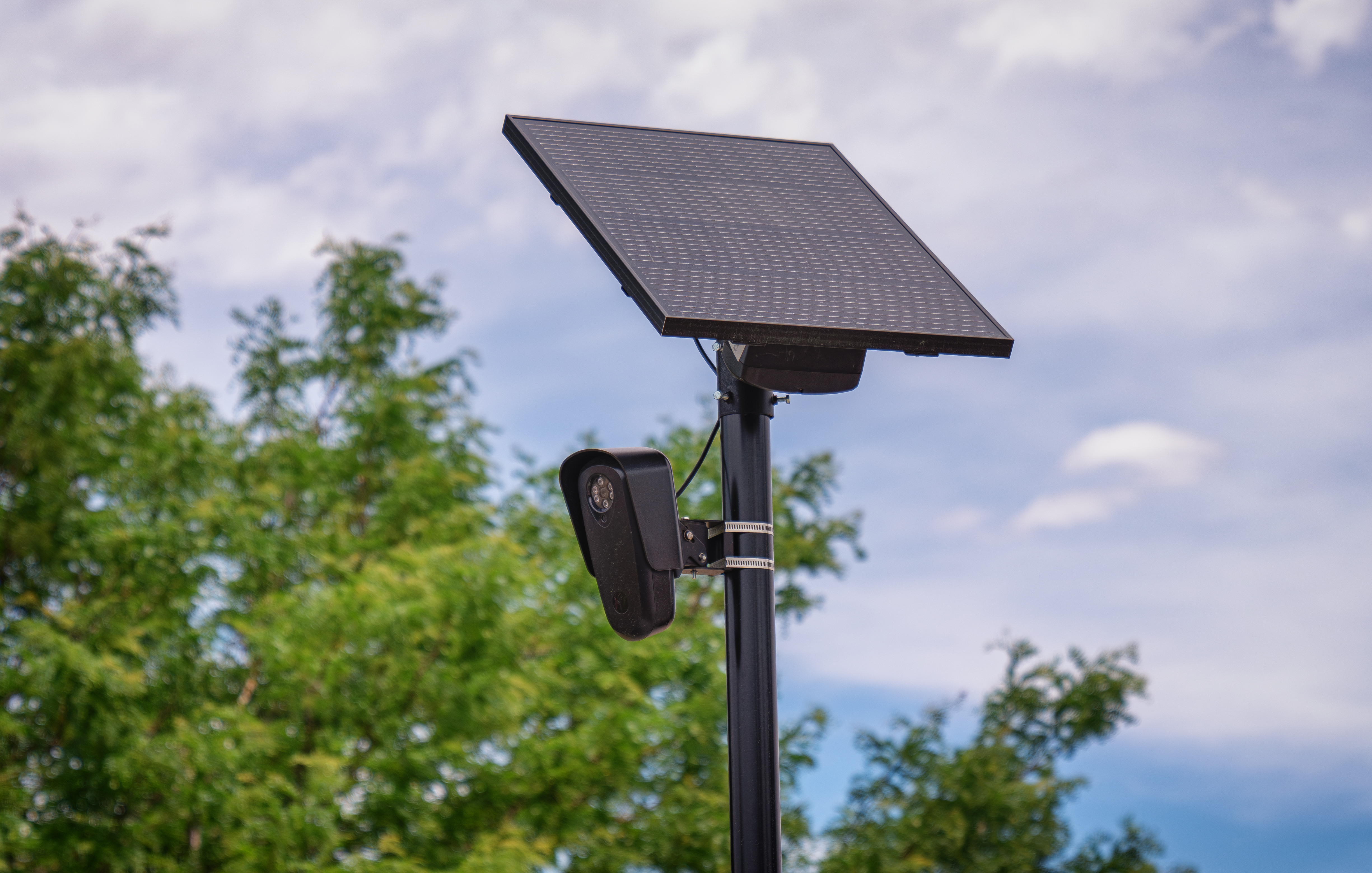
Chandler renewed its automated license plate reader camera network on May 21, authorizing a $153,400 contract with Flock Group Inc., the company whose cameras have become a common law enforcement tool across the Phoenix metro area.
The Chandler City Council approved the renewal as part of the consent agenda. The contract uses a cooperative procurement arrangement with Tempe Contract No. T21-119-01, allowing Chandler to piggyback on a contract that Tempe competitively bid. Cooperative purchasing is common among Valley cities and lets smaller jurisdictions access pricing that a larger city negotiated.
How ALPR cameras work
Automated license plate reader cameras are mounted at intersections and along major roads. They photograph every plate that passes and check the numbers against databases of stolen vehicles, vehicles associated with criminal activity, and vehicles flagged through Amber Alerts or other law enforcement alerts. When a match is found, the system notifies police in real time.
Chandler first deployed Flock cameras in 2022. Flock Safety reports that more than 5,000 law enforcement agencies nationwide use its cameras, making it one of the largest ALPR providers in the United States.
The cameras are configured to share data across jurisdictions within a region. A vehicle flagged as stolen in Chandler can be picked up by a camera in a neighboring city and reported to partner agencies automatically. Police departments say this network effect helps recover stolen vehicles, find missing people, and identify suspects faster than relying on patrol officers alone.
The privacy question
ALPR technology has drawn criticism from civil liberties organizations. The ACLU has argued that mass collection of location data on everyone who drives — not just people suspected of wrongdoing — raises concerns under the Fourth Amendment. Courts have generally allowed the technology, but several states have passed laws limiting data retention and access.
In Arizona, the legislature is currently debating how to regulate ALPR data. Senate Bill 1111, introduced in January 2026 by Senator Kevin Payne, chair of the Senate Public Safety Committee, would establish statewide standards for how law enforcement agencies store, access, and share license plate data. The bill would limit access to authorized personnel and impose penalties for unlawful disclosure. A Senate panel voted in favor of the bill in February, but the legislation has faced pushback from Republican lawmakers and its fate remains uncertain.
Chandler's current data retention policy for ALPR data was not included in the publicly available meeting materials.
The $153,400 renewal covers camera hardware, software access, and data processing for the contract period. Flock Group has faced growing competition from other ALPR providers including Motorola Solutions and Vigilant Solutions but remains dominant in the Phoenix metro area.