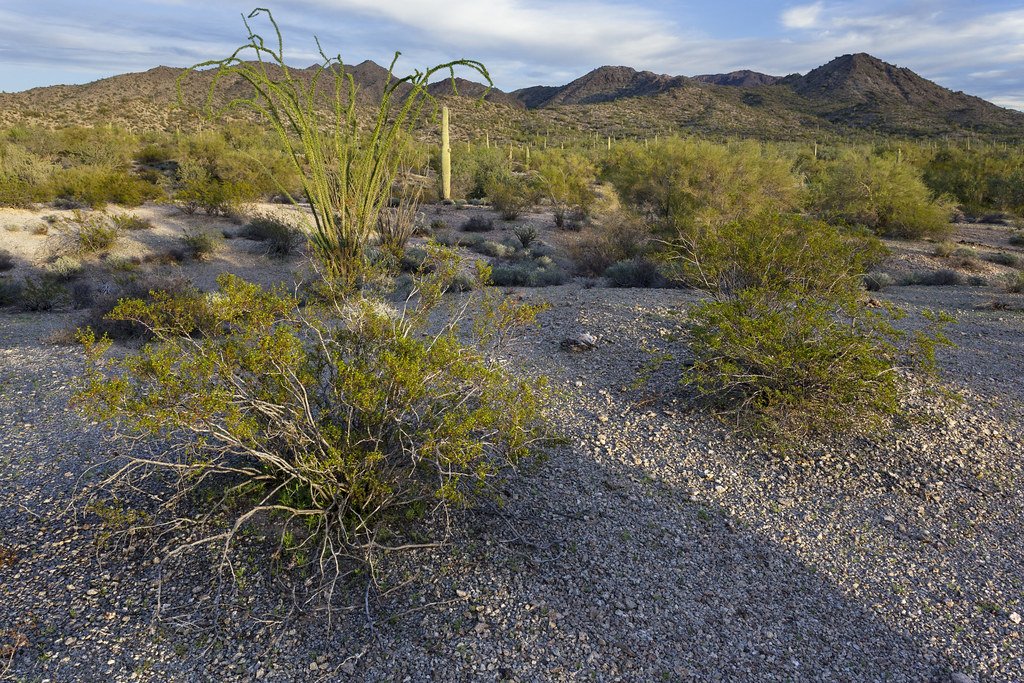
The Scottsdale City Council will meet behind closed doors on June 9 to discuss purchasing water in the Harquahala Valley, a rural groundwater basin 80 miles west of Phoenix that has become a target for Valley cities securing long-term water supplies.
The agenda item authorizes the council to discuss the city's position regarding a water purchase and to consult with attorneys on related contracts. The discussion is closed to the public under Arizona law, which permits executive sessions for considering real property transactions and obtaining legal advice on contracts.
Harquahala Valley water rights
The Harquahala Valley sits near the La Paz County line, west of the Hassayampa River. The area sits above a large groundwater basin that has attracted interest from multiple Valley cities. Buckeye, which borders the valley to the south, has been particularly active in acquiring water rights there. The basin's groundwater is recharged by runoff from the Harquahala Mountains.
For cities dependent on the Colorado River and the Central Arizona Project canal system, buying groundwater rights outside their service areas provides a hedge against shortages. Arizona law allows municipalities to purchase and transport groundwater from basins outside their service areas, subject to state regulation. Cities can also store water underground in these basins for recovery during dry periods, a practice known as groundwater banking.
Scottsdale's water supply
Scottsdale's current water supply comes from several sources. The city holds Colorado River allocations delivered through the Central Arizona Project, along with Salt River Project water and local groundwater wells. Scottsdale also operates one of the region's oldest groundwater recharge programs, storing treated wastewater effluent underground for later recovery.
The city's Water Resources Plan emphasizes supply diversification. A purchase in the Harquahala Valley would expand Scottsdale's water holdings beyond its immediate service area, a strategy that several Valley cities have pursued as they plan for growth and face uncertainty about future Colorado River deliveries. Ongoing drought and negotiations among Colorado River basin states have made long-term supply planning a priority for Arizona municipalities.
What happens next
No action will be taken during the executive session itself, which is limited to discussion and legal consultation. The council is also scheduled to hold a second special meeting the same day to select nominees for five citizen boards and commissions. Those appointments are expected at the June 23 council meeting.
If the council moves forward with a water purchase, the public would see details when a purchase agreement or contract appears on a future agenda for council action.
The council also held a second special meeting the same day to select nominees for five citizen boards and commissions. View the full agenda on our meeting tracker for detailed information.